As Choosing an Air Conditioner for Difficult Home Layouts (The Air Conditioner Guide) takes center stage, this opening passage beckons readers with casual formal language style into a world crafted with good knowledge, ensuring a reading experience that is both absorbing and distinctly original.
When it comes to selecting the right air conditioner for challenging home layouts, there are various factors to consider that can make a significant difference in your cooling experience. Let's delve into the intricacies of this process to help you make an informed decision.
Consideration Factors for Difficult Home Layouts
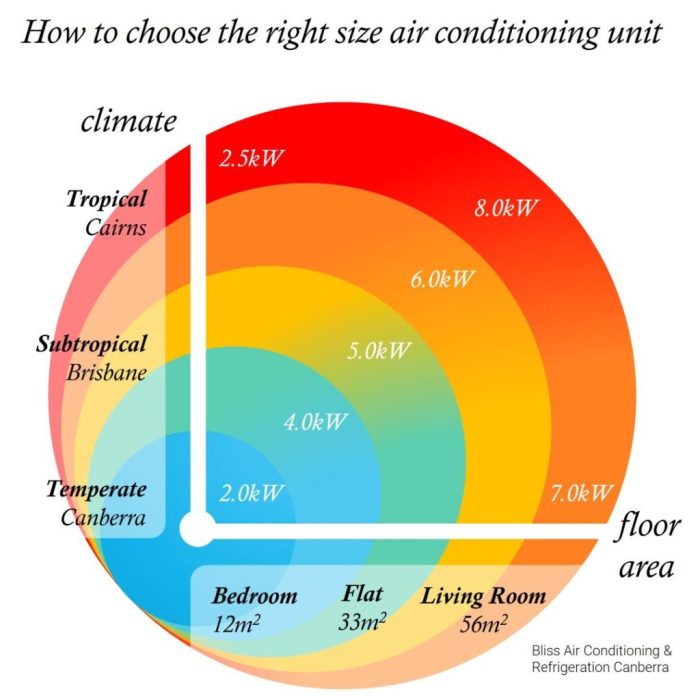
When it comes to choosing an air conditioner for a home with a challenging layout, there are several factors to consider. These factors can significantly impact the efficiency and effectiveness of the cooling system in your home.Room Size, Ceiling Height, and Layout Shape:The size of the room plays a crucial role in determining the capacity of the air conditioner needed.
A larger room will require a more powerful unit to adequately cool the space, while a smaller room can be efficiently cooled with a smaller unit. Additionally, the height of the ceiling can affect airflow and distribution of cool air.
Rooms with high ceilings may require a different type of air conditioner to ensure proper cooling.Unique Home Layouts:Some homes have unique layouts that present challenges when it comes to air conditioner placement. For example, homes with open floor plans may require a ductless mini-split system to effectively cool the entire space.
Similarly, homes with multiple stories may need separate cooling systems for each floor to ensure even cooling throughout the house.In conclusion, when choosing an air conditioner for a difficult home layout, it is essential to consider factors such as room size, ceiling height, and layout shape.
By taking these factors into account, you can select the right air conditioner that will provide optimal cooling performance for your home.
Types of Air Conditioners Suitable for Difficult Layouts
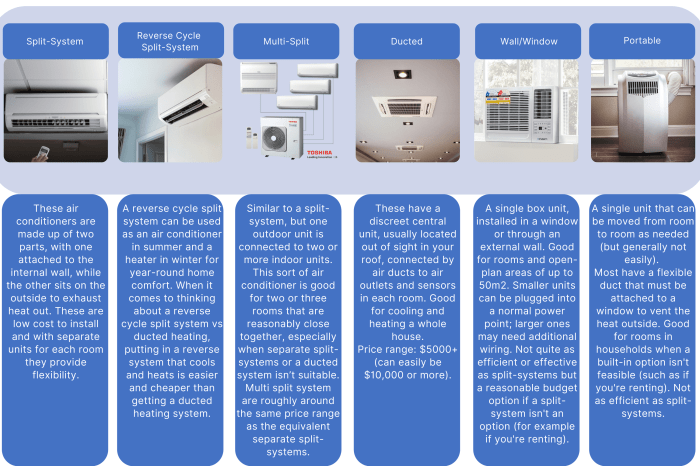
When it comes to challenging home layouts, choosing the right type of air conditioner is crucial for optimal cooling efficiency. Let's compare and contrast different types of air conditioners in the context of difficult layouts to help you make an informed decision.
Split Air Conditioners
Split air conditioners are ideal for homes with challenging layouts due to their flexibility in installation. The indoor unit can be placed in one room while the outdoor unit can be installed in a more accessible location, making them suitable for narrow rooms or spaces with limited ventilation.
However, split air conditioners require professional installation, which can be costly.
Window Air Conditioners
Window air conditioners are another option for difficult layouts, especially for rooms with limited floor space. These units are easy to install and are a cost-effective cooling solution. However, they may not be suitable for open-concept spaces or rooms with unconventional window designs.
Portable Air Conditioners
Portable air conditioners are versatile and can be moved from room to room, making them a great choice for homes with challenging layouts. They are easy to install and do not require permanent installation like split systems. However, portable air conditioners may not be as efficient as split or window units, especially in larger spaces.In conclusion, each type of air conditioner has its pros and cons when it comes to difficult home layouts.
Split air conditioners offer flexibility but come with installation costs, while window units are easy to install but may not be suitable for certain room configurations. Portable air conditioners provide versatility but may lack the efficiency of other types. Consider your home layout and cooling needs to determine the best option for you.
Placement Strategies for Effective Cooling
When dealing with challenging home layouts, it's crucial to consider optimal placement strategies for air conditioners to ensure maximum cooling efficiency. Proper positioning can make a significant difference in airflow distribution and overall comfort within your living space.
Impact of Furniture and Obstacles
One of the key factors influencing the effectiveness of your air conditioner is the presence of furniture and other obstacles in the room. These objects can obstruct airflow and create pockets of hot air, leading to uneven cooling. To combat this issue, try to keep furniture away from the air conditioner unit and ensure there are no large obstructions blocking the airflow.
Maximizing Airflow
- Position the air conditioner at a central location in the room to ensure even distribution of cool air.
- Avoid placing the unit behind curtains or drapes, as they can impede airflow and reduce cooling efficiency.
- If possible, elevate the air conditioner slightly above floor level to allow for better circulation of air.
Technology Solutions for Difficult Home Layouts
When it comes to challenging home layouts, technological advancements in air conditioning systems have provided innovative solutions to ensure efficient cooling. These solutions are designed to address specific layout-related issues and improve overall comfort within the home.
Smart Features in Air Conditioners
Modern air conditioners now come equipped with smart features that allow for more precise control over cooling settings. These features include programmable thermostats, remote access via smartphone apps, and compatibility with smart home devices like Alexa or Google Assistant.
Zone Cooling Systems
Zone cooling systems divide the home into different temperature zones, allowing for customized cooling in specific areas. This technology is particularly beneficial for homes with varying temperatures due to layout challenges, ensuring each zone receives the appropriate level of cooling.
Innovative Air Conditioner Designs
New air conditioner models are specifically engineered to tackle complex layout challenges effectively. For example, ductless mini-split systems offer flexibility in installation and can be placed strategically to optimize cooling in hard-to-reach areas. Additionally, variable refrigerant flow (VRF) systems provide precise temperature control and energy efficiency in challenging layouts.
Concluding Remarks
In conclusion, navigating the realm of air conditioner selection for difficult home layouts requires a keen understanding of the challenges and solutions available. Armed with this knowledge, you can now confidently choose the perfect cooling system tailored to your unique living space.
Question & Answer Hub
What challenges in a home layout can affect air conditioner placement?
Challenges such as room size, ceiling height, and layout shape can impact where you place your air conditioner, affecting its efficiency and effectiveness.
Which type of air conditioner is most suitable for narrow rooms?
A portable air conditioner might be the best option for narrow rooms, providing flexibility in placement and cooling.
How can furniture and curtains impact air conditioner placement?
Furniture and curtains can obstruct airflow from the air conditioner, leading to uneven cooling in the room. Strategic placement is key to overcoming this challenge.