Which Type of New Windows for Home Provides the Best Energy Savings in the Midwest US? sets the stage for this enthralling narrative, offering readers a glimpse into a story that is rich in detail with casual formal language style and brimming with originality from the outset.
When it comes to energy efficiency in homes, the choice of windows plays a crucial role
Types of Windows for Energy Savings
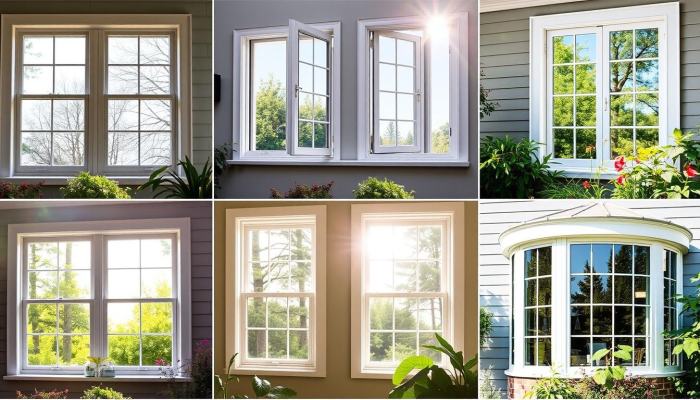
When it comes to choosing windows for energy savings in the Midwest US, there are several options available that can help improve the efficiency of your home and reduce energy costs. Let's explore the different types of windows and their energy-saving capabilities.
Double-Pane Windows
Double-pane windows consist of two layers of glass with a space in between filled with insulating gas, usually argon or krypton. This design helps to reduce heat transfer and improve insulation, making them more energy-efficient compared to single-pane windows. The air space between the panes acts as an additional barrier against outside temperatures, helping to maintain a comfortable indoor environment year-round.
Triple-Pane Windows
Triple-pane windows take energy efficiency a step further by adding a third layer of glass and two insulating air spaces. This extra layer provides better insulation and soundproofing properties, making them ideal for harsher climates like those in the Midwest US.
While triple-pane windows are more expensive than double-pane options, they offer superior energy savings and can help reduce heating and cooling costs in the long run.
Low-E Windows
Low-E (low emissivity) windows are coated with a thin, transparent layer of metal oxide that reflects heat while still allowing light to pass through. This coating helps to minimize heat transfer, keeping your home cooler in the summer and warmer in the winter.
Low-E windows are a great option for improving energy efficiency and reducing the strain on your HVAC system, ultimately saving you money on energy bills.
Window Materials and Insulation
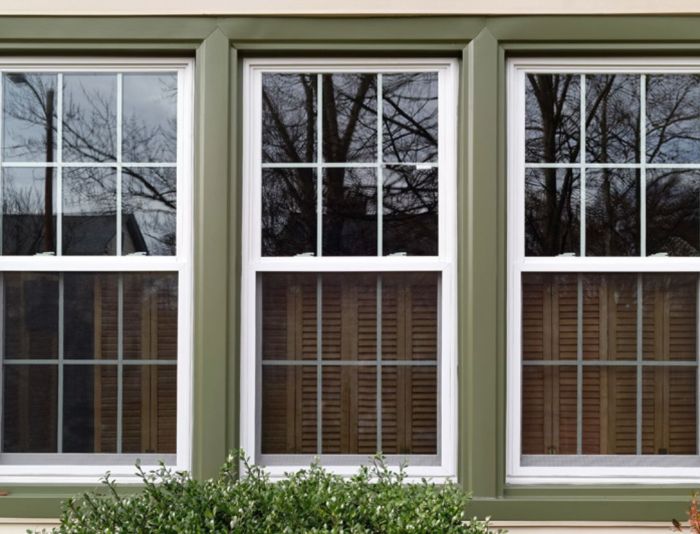
When it comes to maximizing energy savings in the Midwest US, the choice of window materials and insulation plays a crucial role in maintaining a comfortable indoor environment and reducing energy consumption.
Best Materials for Energy Efficiency
- Vinyl: Vinyl windows are known for their excellent energy efficiency as they provide good insulation properties. They are also low maintenance and cost-effective, making them a popular choice for homeowners looking to save on energy bills.
- Fiberglass: Fiberglass windows are another great option for energy savings. They offer high thermal performance, durability, and strength, helping to reduce heat transfer and energy loss.
- Wood: While wood windows are known for their classic look, they can also be energy-efficient if properly insulated. Wood offers natural insulation properties and can be a sustainable choice for eco-conscious homeowners.
Importance of Proper Insulation
Proper insulation in windows is essential for reducing heat loss or gain, especially in the fluctuating climate of the Midwest US. Well-insulated windows help to create a barrier against outside temperatures, keeping the indoor space comfortable and reducing the need for heating or cooling.
Insulation materials like low-E coatings, gas fills, and multiple panes can further enhance energy efficiency and contribute to significant cost savings over time.
Window Design and Orientation
Window design and orientation play a crucial role in determining the energy efficiency of a home. By strategically placing windows and utilizing certain design features, homeowners can maximize natural light and heat gain, ultimately leading to energy savings.
Optimizing Window Placement
When designing a home or considering window replacements, it's essential to optimize window placement to take advantage of natural light and heat gain. Here are some tips to help you make the most of your windows:
- Place windows on the south side of the house to maximize solar heat gain in the winter.
- Consider the size and placement of windows to allow for cross ventilation and natural cooling in the summer.
- Use larger windows in living areas where natural light is desired, but be mindful of glare and heat gain in warmer months.
Impact of Overhangs and Shading
Overhangs, shading, and other external factors can significantly impact window energy efficiency. Here's how you can leverage these features to improve energy savings:
- Install overhangs or awnings above windows to block direct sunlight in the summer, reducing cooling needs.
- Plant trees or use landscaping to provide natural shading and reduce heat gain through windows.
- Consider using reflective window coatings or blinds to control the amount of sunlight entering the home.
Energy-Efficient Window Features
When it comes to enhancing energy savings in windows for homes, there are several key features to consider. These features play a crucial role in improving the overall energy efficiency of windows, ultimately leading to reduced energy consumption and lower utility bills.
Low-E Coatings
Low-E (low emissivity) coatings are thin layers of metallic oxide applied to the glass surface of windows. These coatings help to reflect infrared light, keeping heat inside during the winter and outside during the summer. By reducing heat transfer through the windows, low-E coatings can significantly improve energy efficiency and provide better insulation.
Gas Fills
Gas fills, such as argon or krypton, are inserted between the panes of double or triple-pane windows to provide additional insulation. These gases have higher density than air, reducing heat transfer and improving the window's thermal performance. Gas fills help to minimize heat loss, making the windows more energy-efficient and enhancing overall comfort in the home.
Warm Edge Spacers
Warm edge spacers are components that separate the glass panes in an insulated window unit. These spacers have lower conductivity than traditional aluminum spacers, reducing heat transfer and improving insulation around the window edges. By minimizing heat loss at the perimeter of the window, warm edge spacers contribute to better energy savings and overall efficiency.
Window Frames, Seals, and Glazing
In addition to specific features like low-E coatings, gas fills, and warm edge spacers, the overall design and quality of window frames, seals, and glazing also play a crucial role in energy efficiency. High-quality frames with thermal breaks, effective seals to prevent air leakage, and multiple layers of glazing can further enhance insulation and reduce energy loss through windows.
These components work together to create a more energy-efficient window system, improving comfort and reducing energy costs in the long run.
Energy Ratings and Certifications
When it comes to choosing energy-efficient windows for your home in the Midwest US, understanding energy ratings and certifications is crucial. These ratings help you identify windows that can provide the best energy savings and performance for your specific climate and needs.
Importance of ENERGY STAR Certification
- ENERGY STAR is a widely recognized certification that signifies a window's energy efficiency and performance.
- Windows with the ENERGY STAR label meet strict energy efficiency guidelines set by the Environmental Protection Agency (EPA).
- Choosing ENERGY STAR certified windows can help you save on energy costs, reduce carbon footprint, and improve overall comfort in your home.
Criteria for Selecting High Energy Performance Windows
- Look for windows with low U-factor and Solar Heat Gain Coefficient (SHGC) ratings, as these indicate better insulation and heat gain/loss control.
- Consider the climate zone in the Midwest US and choose windows that are specifically designed for that region's weather conditions.
- Opt for windows with multiple panes, low-emissivity coatings, and gas fills for enhanced energy efficiency.
Comparison of Certifications and Labels
- Besides ENERGY STAR, other certifications like NFRC (National Fenestration Rating Council) and AAMA (American Architectural Manufacturers Association) offer valuable information on a window's energy performance.
- Check for the NFRC label that provides ratings for U-factor, SHGC, visible transmittance, and air leakage to make an informed decision.
- AAMA certification ensures that windows meet industry standards for quality, performance, and durability, contributing to energy savings in the long run.
Final Conclusion
In conclusion, choosing the right type of windows for energy savings in the Midwest US can significantly impact a home's overall efficiency and comfort. By considering factors like materials, design, and energy ratings, homeowners can create a more sustainable and cost-effective living space while reducing their environmental footprint.
Question Bank
What are the benefits of low-E coatings for windows?
Low-E coatings help minimize heat transfer through windows, keeping homes cooler in summer and warmer in winter, thus reducing energy consumption for heating and cooling.
How do gas fills in windows contribute to energy savings?
Gas fills, such as argon or krypton, provide better insulation than air, reducing heat transfer through windows and improving overall energy efficiency of the home.
What is the significance of proper window insulation for energy savings?
Proper insulation helps prevent heat loss in winter and heat gain in summer through windows, leading to lower energy bills and increased comfort inside the home.